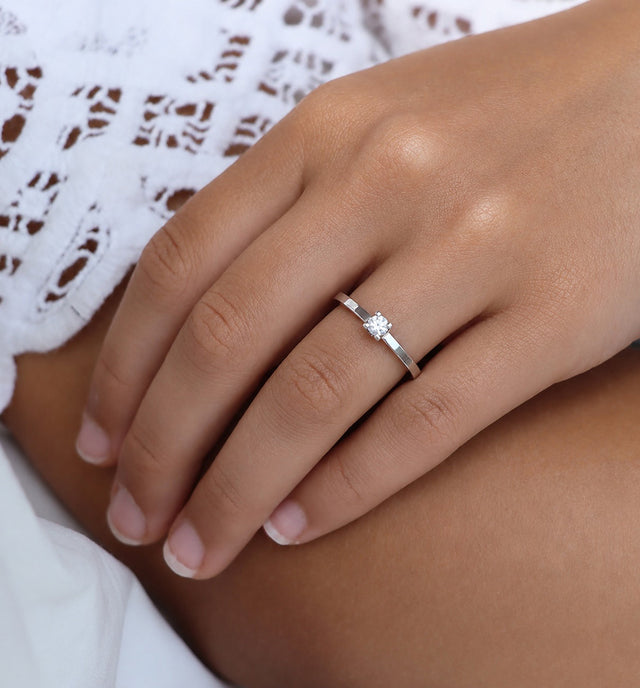
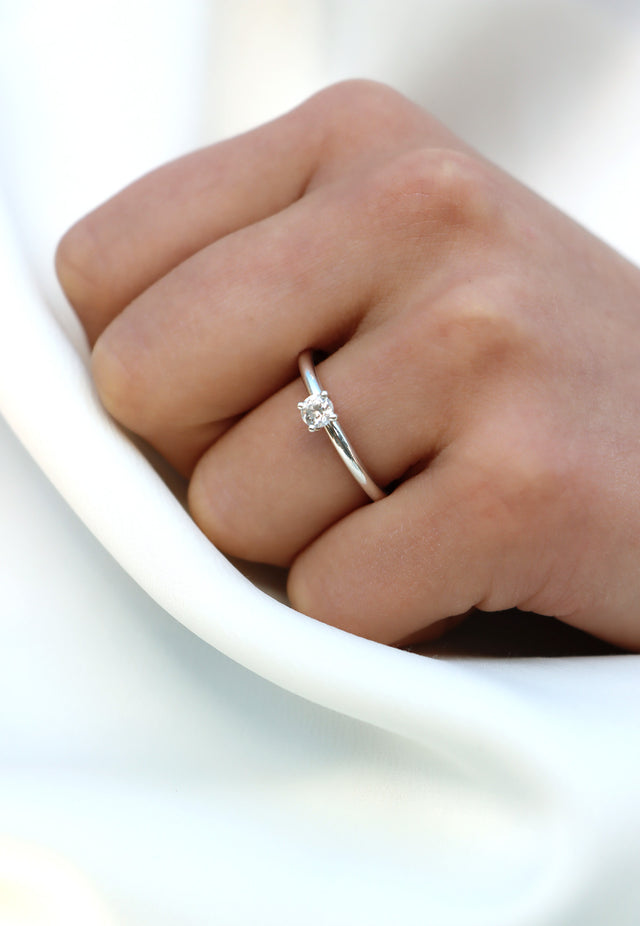
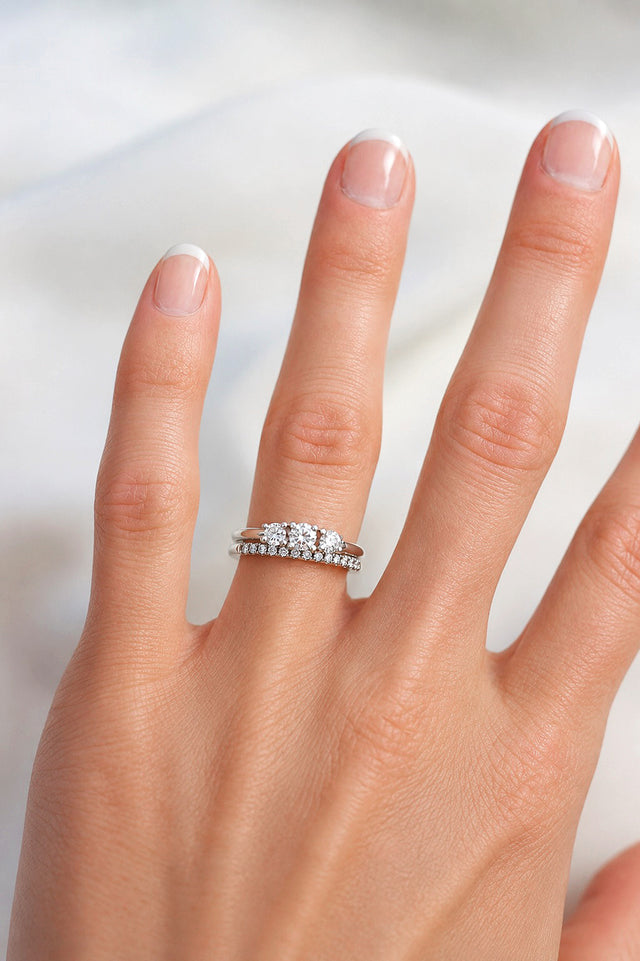
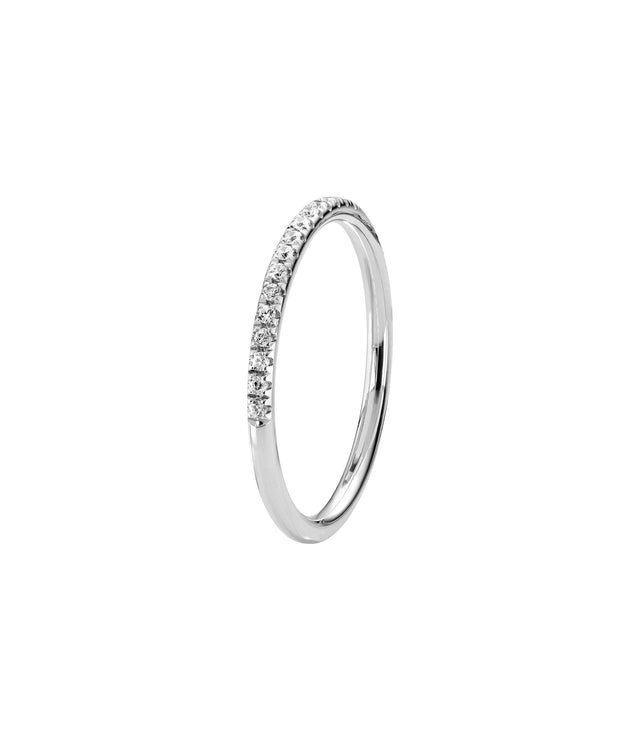
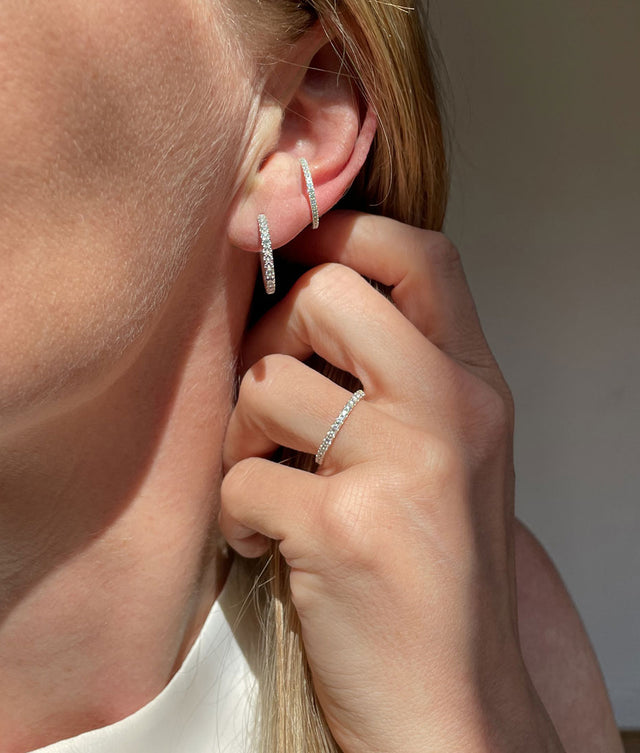
The diamonds in our rings and jewelry are brilliant-cut and of high quality.
All diamonds are conflict-free and certified according to the Kimberley Process.
Our diamond supplier is also a certified member of the Responsible Jewellery Council (RJC).
Our diamond quality
Lab-grown diamond TW/VS:
Top Wesselton / rare white with very small inclusions, visible only under 10× magnification.
Natural diamond W/SI:
Top Wesselton, rare white with very small inclusions, close to VS quality.
What is the difference between a lab-grown diamond and a natural diamond?
A lab-grown diamond is created in a laboratory and has the same physical, chemical, and optical properties as a natural diamond. Both consist of carbon crystallized in a diamond structure with a hardness of 10 on the Mohs scale.
A lab-grown diamond, sometimes also called a synthetic diamond, has the same brilliance and quality as a natural diamond.
A natural diamond is mined from the earth and is therefore a limited natural resource. The process of mining and refining a natural diamond is significantly more time-consuming and complex.
Natural diamonds have an established resale market, which generally means they retain their value better over time than lab-grown diamonds.
The 4 Cs of Diamonds
To determine a diamond’s value, four different criteria are used—commonly referred to as the 4 Cs:
Carat (ct – the diamond’s weight), Colour (the diamond’s color), Cut (the diamond’s cut/shape), and Clarity (the diamond’s clarity).
Carat - diamantens vikt
Carat (ct) är en måttenhet för diamantens vikt. En carat motsvarar 0,2 gram.
Carat bestämmer inte diamantens storlek i diameter eftersom även slipning och kvalitén på slipningen avgör vilken carat diamanten får och hur stor vi uppfattar diamanten.
En bra slipad diamant upplevs som större och reflekterar ljuset bättre än en dåligt slipad diamant.
För diamantringar från 0,3 ct. och uppåt medföljer ett internationellt certifikat utfärdat av GIA (Gemological Institute of America).

Diamond sizes - Round diamonds
0.10 ct ≈ 3 mm
0.15 ct ≈ 3,4 mm
0.20 ct ≈ 3,8 mm 0.25 ct ≈ 4 mm
0.3 ct ≈ 4,3 mm
0.4 ct ≈ 4,8 mm
0.5 ct ≈ 5,1 mm
0.6 ct ≈ 5,4 mm
0.75 ct ≈ 5,9 mm
0.8 ct ≈ 6 mm
0.9 ct ≈ 6,3 mm
1 ct ≈ 6,5 mm

Diamonds sizes - Oval diamonds
0.10 ct ≈ 3,5 x 2,5 mm
0.15 ct ≈ 4 x 3 mm
0.20 ct ≈ 5 x 3 mm
0.25 ct ≈ 5 x 3 mm
0.3 ct ≈ 5 x 3.25 mm
0.4 ct ≈ 5 x 4 mm
0.5 ct ≈ 6 x 4 mm
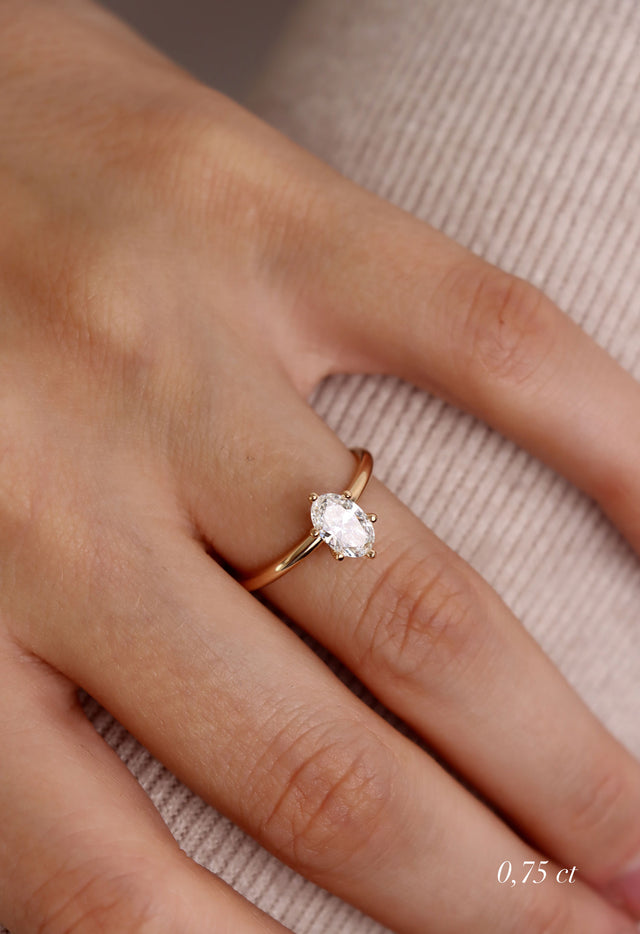
0.75 ct ≈ 7 x 5 mm
1 ct ≈ 7.5 x 5.5 mm


Color
D–E (River): Very rare white. The highest color grade available.
F–G (Top Wesselton): Rare white.
H (Wesselton): White.
I (Top Crystal): Very slightly tinted white.
J (Crystal): Slightly tinted white.
K–L (Top Cape): Tinted white.
M–N (Cape): Light yellowish tint.
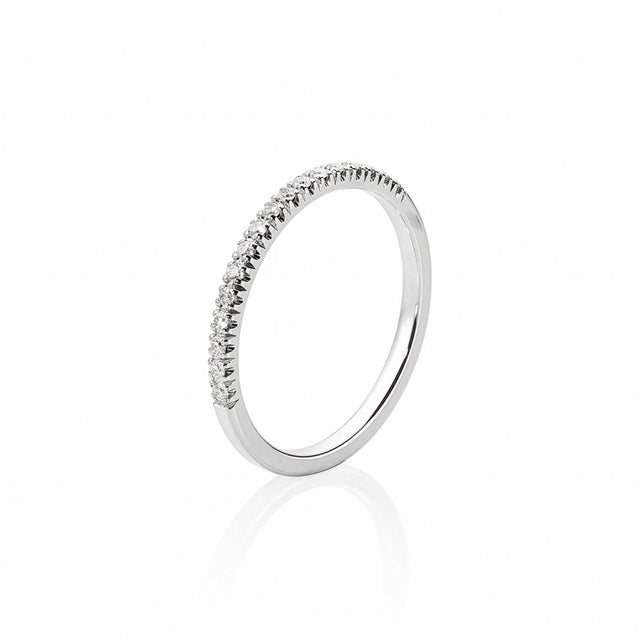
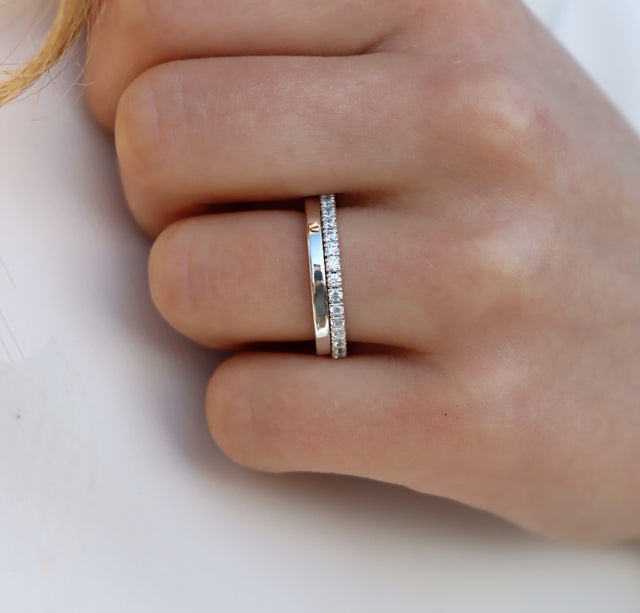
Wedding and engagement rings from Mila Silver are set with TW/VS diamonds—rare white diamonds with very small inclusions.

Clarity – Diamond Clarity
Clarity is an important factor in a diamond’s appearance and quality.
It refers to the purity of the diamond—how few inclusions it contains—assessed under 10× magnification.
FL, IF
Flawless
VVS1, VVS2
Very, very small inclusions
VS1, VS2
Very small inclusions
SI1, SI2
Small inclusions
I1, I2, I3
Included (Piqué)

Cut – Diamond Cut
The cut grade indicates how well a diamond reflects light. A diamond with excellent light reflection appears especially brilliant and sparkling.
Cut grades: Ideal – Excellent – Very Good – Good – Fair – Poor.

Diamond Shapes
BRILLIANT (round)
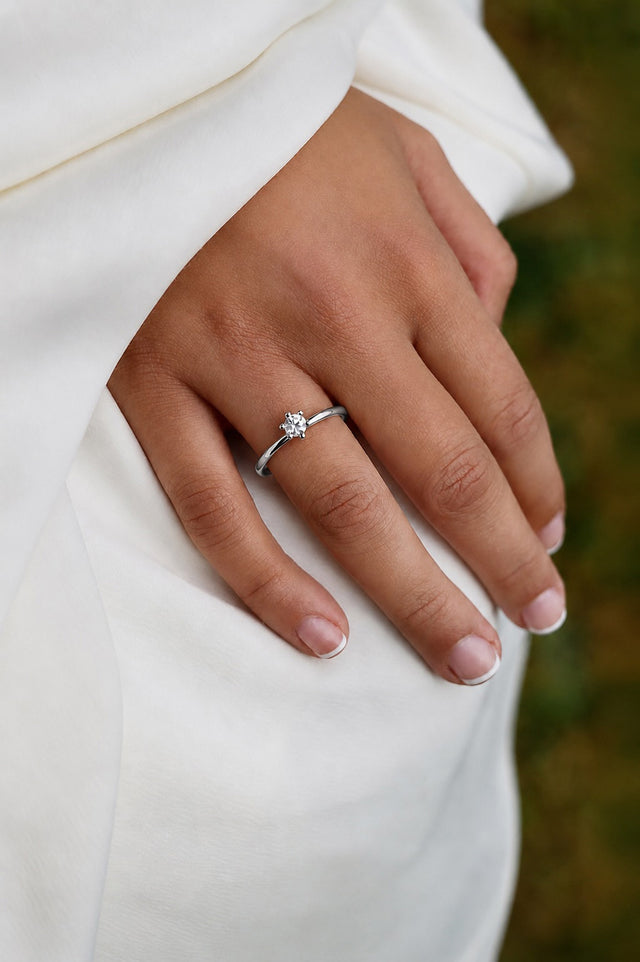
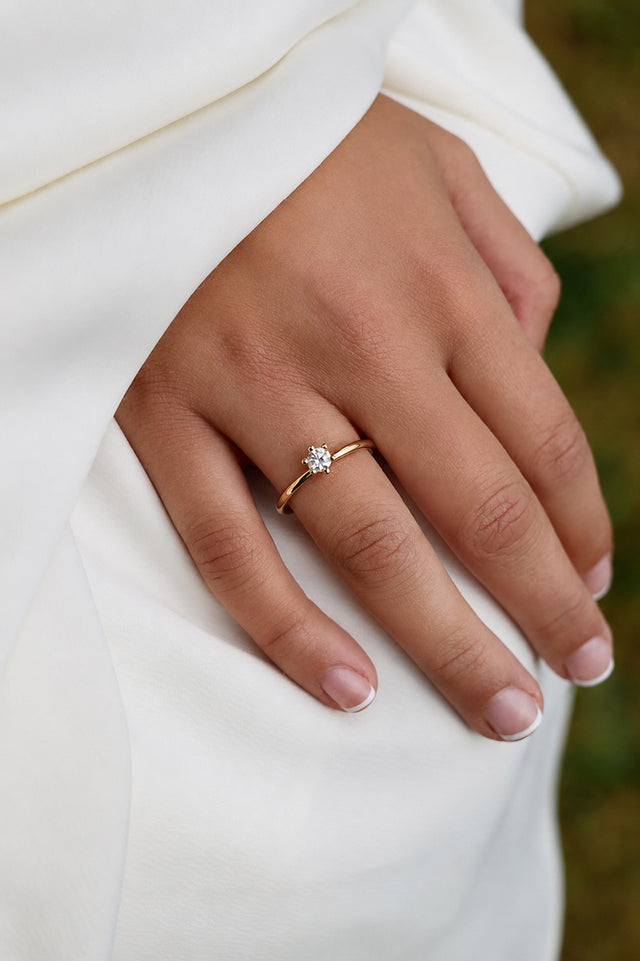
The brilliant cut is the most common diamond cut and the one most often chosen for wedding and engagement rings. Brilliant-cut diamonds offer exceptional brilliance with maximum light reflection. They are typically round and have 57 facets.
EMERALD (rectangular)
Emerald-cut diamonds are rectangular with straight edges. This step-cut features a flat central surface with stair-like facets on the sides. Because inclusions are more visible with this cut, a high-quality diamond is recommended.
OVAL
Oval diamonds are timeless and create a delicate, elegant look. They have become increasingly popular for those who want a wedding or engagement ring with a shape other than the traditional round. Oval diamonds offer the same beautiful brilliance as round brilliant-cut diamonds.
CUSHION
Cushion-cut diamonds are square with rounded corners. They come in various cutting styles, the most common being the Cushion Brilliant, which has a similar cut to the round brilliant.
PRINCESS (square)
Princess-cut diamonds are square with sharp corners. This classic cut features many reflections and a beautiful sparkle.
Wedding and engagement rings from Mila Silver are primarily set with lab-grown diamonds.
Here we explain the difference between a lab-grown diamond and a natural diamond, and what our TW/VS diamond quality means.
Black Diamonds
Rings with black diamonds are the most popular type of colored diamond jewelry.
Are black diamonds real? Yes. There are natural black diamonds (extremely rare and valuable) and treated black diamonds—natural diamonds with inclusions that are treated with irradiation to achieve their dark color.
Treated black diamonds are the most commonly used and are featured in Mila Silver’s black diamond rings. Our black diamond jewelry is certified, conflict-free, and approved in accordance with EU Regulation 2368/2002.
/ Maria Laakso
Founder Mila Silver

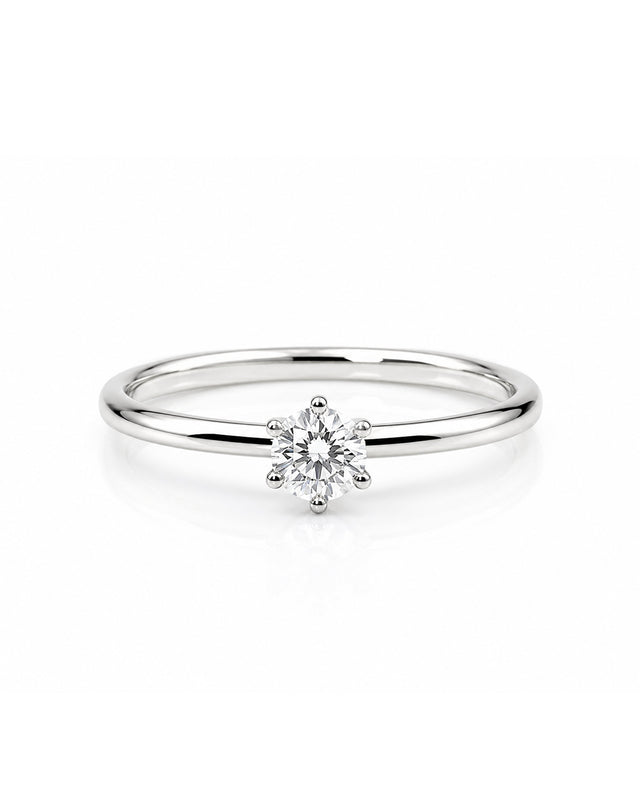

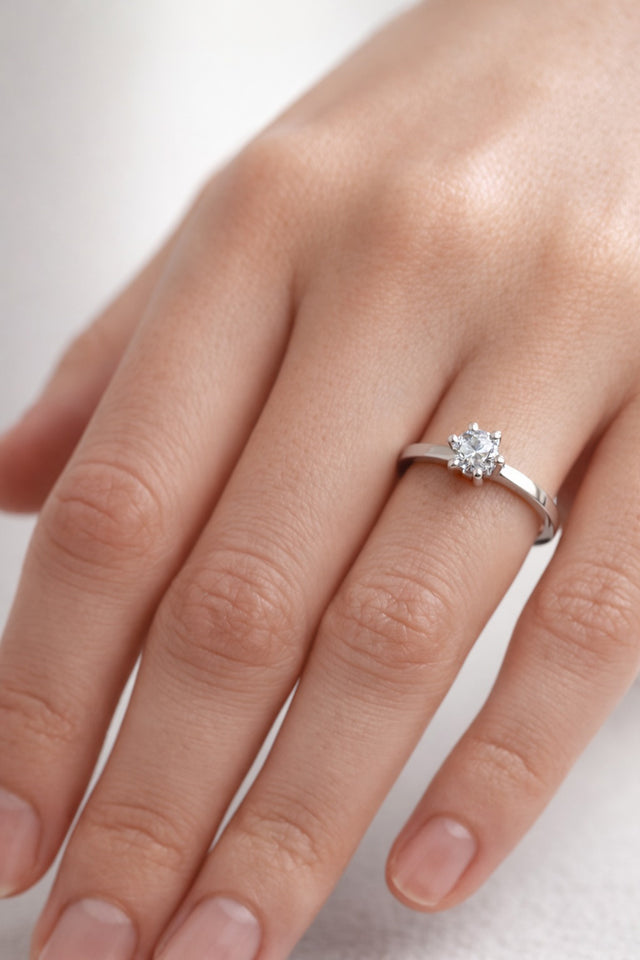

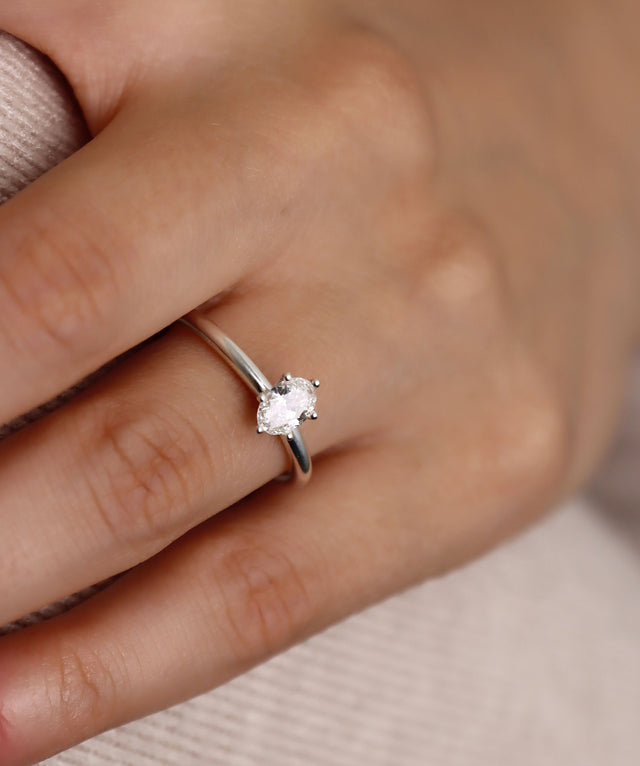







-

-

-

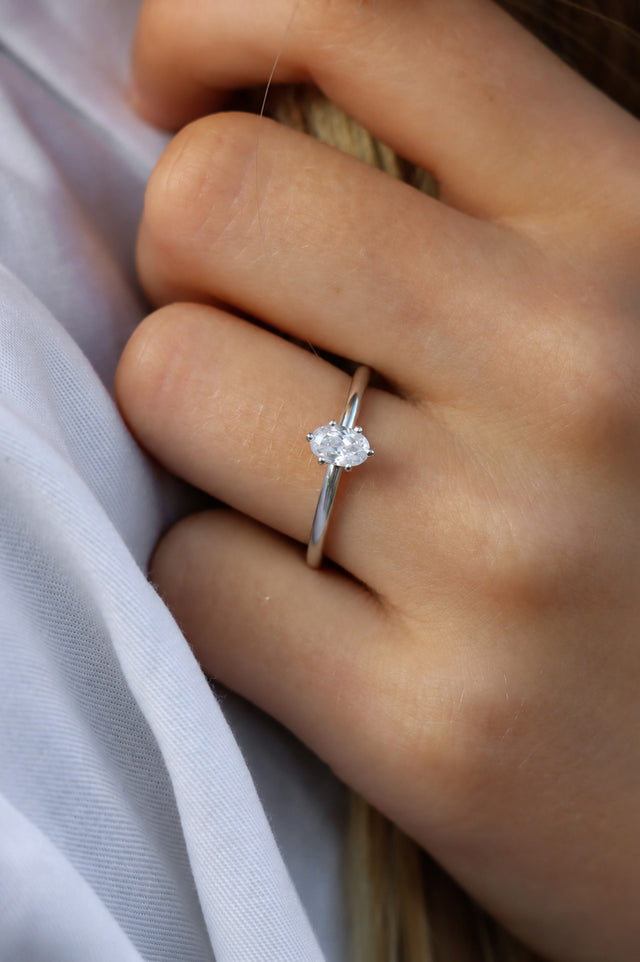
Mila Silver
June Diamond Ring Oval Diamond, Wedding / Engagement Ring | 18k white gold
From €1.054,95( / ) -

-

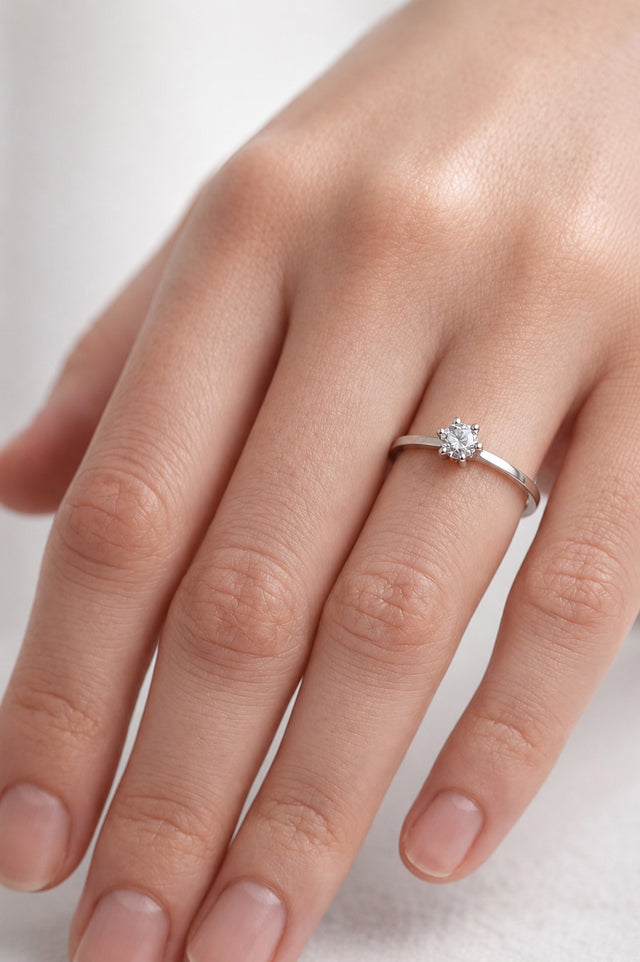
Mila Silver
Juliette Diamond Ring 0.10-0.75 ct | Wedding / Engagement Ring 18k White Gold
From €996,95( / ) -

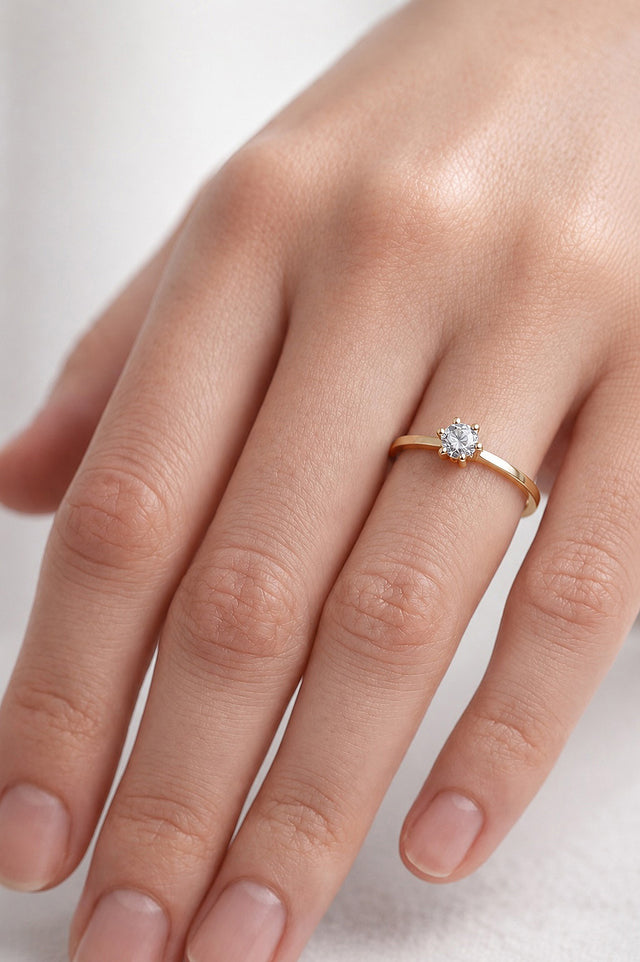
Mila Silver
Juliette Diamond Ring 0.10-0.75 ct | Wedding / Engagement Ring 18k Gold
From €937,95( / ) -

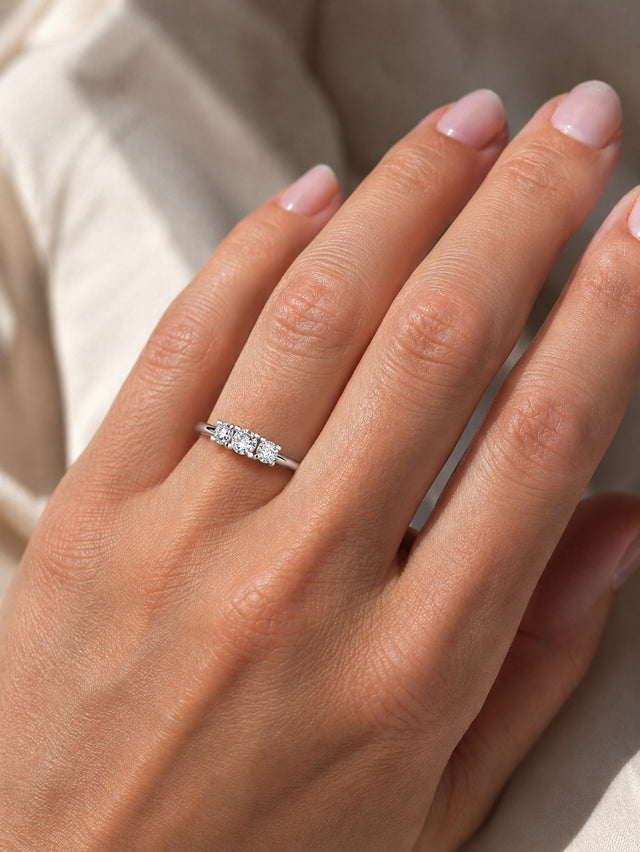
Mila Silver
Axeline Three-Stone Diamond Ring | Wedding / Engagement Ring | 18k White Gold
From €1.272,95( / ) -

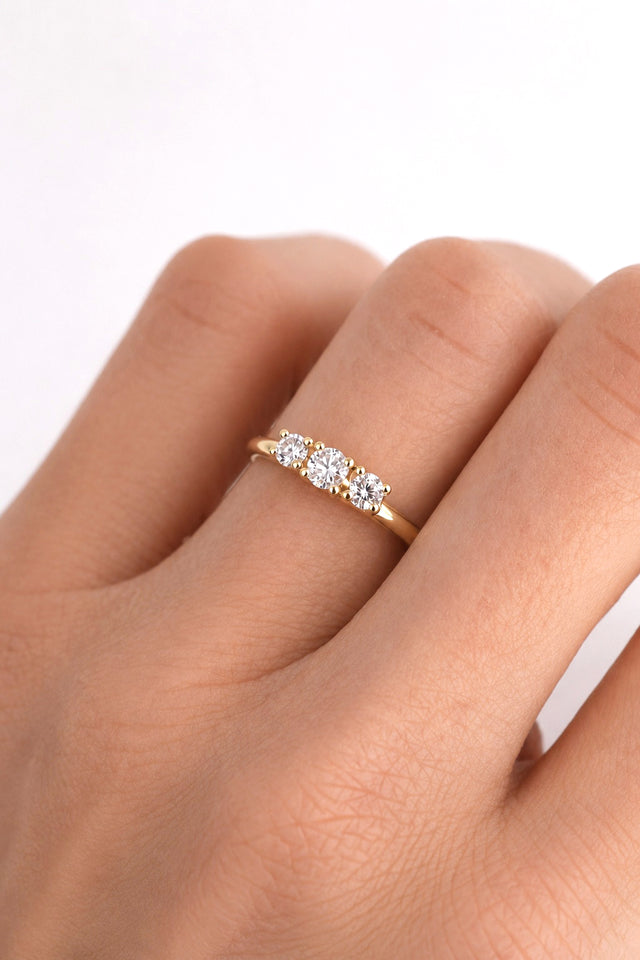
Mila Silver
Axeline Three-Stone Diamond Ring | Wedding / Engagement Ring | 18k Gold
From €1.213,95( / ) -

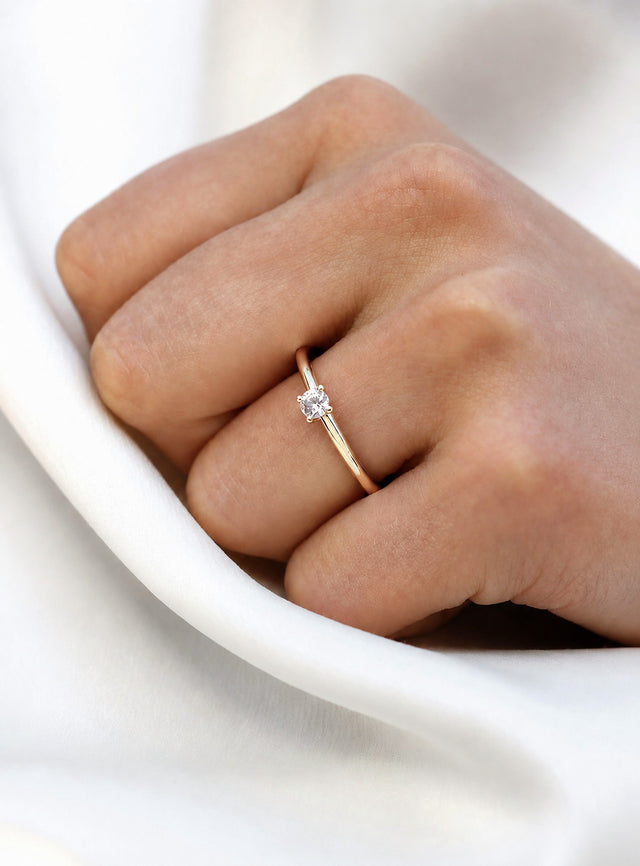
-

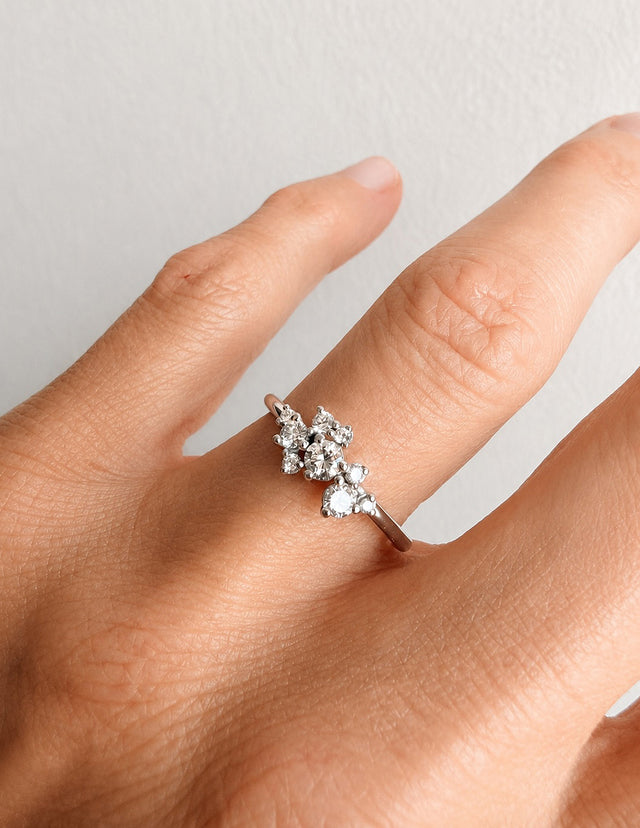
Mila Silver
Celine Diamond Ring 0.36 ct, Wedding Ring / Engagement Ring | 18k white gold
From €1.188,95( / ) -

Mila Silver
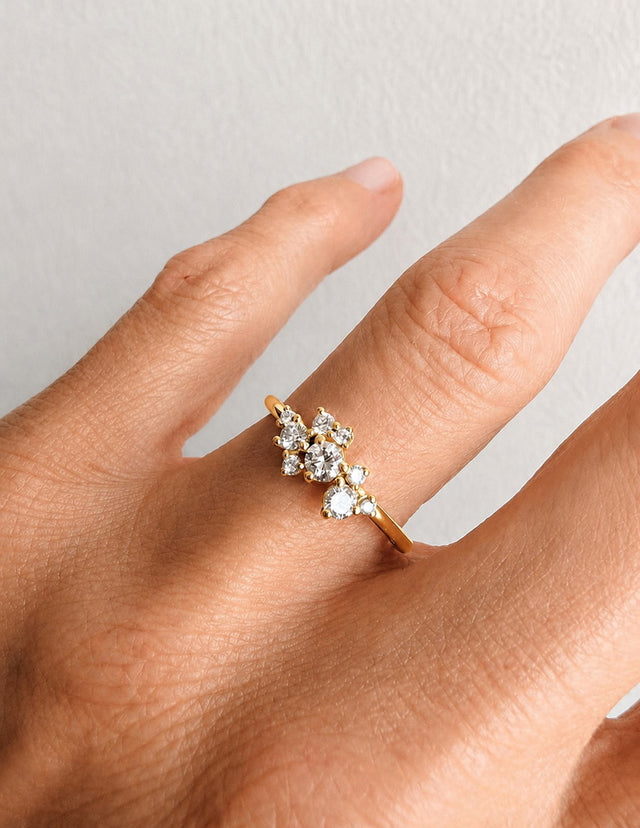
Celine Diamond Ring 0.36 ct, Wedding Ring / Engagement Ring | 18k Gold
From €1.105,95( / ) -